

start.me vs Protopage: Which Should You Pick?
Both are personal start pages with multi-page dashboards, bookmarks, notes, and RSS. Here is how a modern, paid, B2B-friendly start.me compares with a legacy, free-forever Protopage — features, pricing, browser support, and which one fits your workflow.
Pick start.me if you want a modern, actively developed start page with bookmark folders, RSS, browser extensions on Chrome/Firefox/Edge, mobile apps, and a credible team tier with SAML SSO and branded dashboards. Pick Protopage if you want the classic Web 2.0 personal homepage — sticky notes, RSS, bookmarks across tabbed pages — completely free, no account upsell, no team gates. They overlap on the basics (multi-page dashboards, bookmarks, notes, RSS) but differ in generation: start.me is the 2020s SaaS take, Protopage is the 2008 web app that has been quietly running ever since.
At a Glance
A line-by-line look at how start.me and Protopage stack up.
| Feature | start.me | Protopage |
|---|---|---|
| Pricing | Free / $25/yr PRO / $30/mo Teams | Free forever |
| Free tier | Yes (limited) | Yes (full product) |
| Account required | Yes | Yes |
| Multi-page tabbed dashboards | Yes | Yes |
| Bookmarks / link groups | Yes | Yes |
| Bookmark folders, tags, per-link notes | Yes | Limited |
| Sticky notes | Yes | Yes |
| Built-in RSS reader | Yes | Yes |
| Weather widget | Yes | Limited |
| Calendar widget | Yes | No |
| Curated template gallery | Yes | No |
| Modern responsive design | Yes | No |
| Dark mode | Yes | No |
| Chrome extension | Yes | No |
| Firefox extension | Yes | No |
| Edge extension | Yes | No |
| Safari extension | No | No |
| Hosted web app | Yes | Yes |
| Native mobile apps (iOS, Android) | Yes | No |
| Cross-device sync | Cloud account | Cloud account |
| Daily offsite backups | Yes | Yes |
| Team / SSO / branded dashboards | Teams plan | No |
| Active development | Active | Maintenance mode |
Feature by Feature
How each product handles the things that actually matter day to day.
Layout And Design
start.me uses a modern card-based layout with a clean, neutral typography and a proper dark mode. Pages are organized into tabs, and each tab is a grid of resizable widgets — bookmarks, notes, RSS, weather, calendar — that you can drag, drop, and group into columns. Protopage uses the layout it launched with: tabbed pages across the top and free-floating draggable boxes (sticky notes, RSS, bookmarks) on a flat background. The design language has not been refreshed in over a decade, so beveled buttons, gradients, and Web 2.0 chrome are still everywhere. start.me looks like 2026 SaaS; Protopage looks like 2008.
Bookmarks And Notes
Both products treat bookmarks and notes as first-class. start.me has the deeper bookmark model: folders, tags, per-bookmark titles and notes, drag-and-drop organization, a curated template gallery for popular setups (developer dashboards, OSINT research, college students), and a browser extension that lets you save a tab into a specific page with one click. Protopage's bookmarks are simpler — labeled links inside draggable boxes — but its sticky-note feature is the signature piece: rich-text notes pinned anywhere on the page, with the original Web 2.0 yellow-pad styling intact. If your workflow is bookmark-heavy or research-heavy, start.me is more powerful. If your workflow is note-heavy and you like the sticky-note metaphor, Protopage is more pleasant.
RSS Reading
Both products bake an RSS reader directly into the dashboard, which is the original killer feature both were built around. start.me's RSS lives inside a widget you drop on a page; you add feeds, set a refresh interval, and articles render as a list with previews and read-more links. Protopage's RSS reader has won design awards over its lifetime and supports inline article reading, subscription import/export (OPML), and a clean three-pane reading view. For pure RSS depth, Protopage's reader is arguably still the more thoughtful one. For RSS as one of many widgets on a modern dashboard, start.me's is more integrated.
Pricing And Plans
Protopage has been free with no paid tier since launch. Cloud accounts, daily offsite backups, multi-page dashboards, and the RSS reader are all included at no cost — funded historically by occasional sponsorships and an unobtrusive ad slot. start.me runs a freemium model: a generous free tier covers most personal use, but PRO at about $25 per year unlocks unlimited pages, premium widgets, and the cleanest version of the experience. start.me also has a Teams plan starting around $30 per month for shared workspaces with SAML SSO, branded dashboards, and admin controls — the B2B path Protopage never built.
Browser And Platform Support
Protopage runs only as a hosted web page. There are no browser extensions and no native mobile apps, so you set it as your homepage or bookmark it and open it like any other site. start.me ships browser extensions for Chrome, Firefox, and Edge that override the new-tab page directly, plus native mobile apps for iOS and Android, plus the hosted web app at start.me. Neither product has a Safari extension. If you want the start page to actually replace the new tab in your browser, start.me is the only option of the two; if you are happy opening a bookmark, Protopage works in any browser.
Team And B2B Features
start.me has built itself into the small-team and intranet space. Teams plans support SAML SSO, branded dashboards with custom logos and colors, shared workspaces with admin controls, and a long history of being deployed as an organization's launchpad page. Protopage is purely personal: there are no accounts beyond an individual login, no shared workspaces, no admin tooling. If you are picking a start page for a team or company intranet, start.me is the realistic choice; if you are picking one for yourself, the team features are not relevant.
Active Development And Longevity
start.me ships small product changes through the year — widget additions, design refinements, integrations — and maintains a public blog and changelog. Protopage is in maintenance mode: recent posts on its company blog are about compatibility fixes and security upkeep rather than new features, and the design has not been refreshed in over a decade. Long-time Protopage users have stuck with it for fifteen-plus years, which is a real testament; new users who want a tool that is still being actively built tend to land on start.me or somewhere else.
Pricing
Protopage is free forever with no paid tier. Cloud accounts, multi-page dashboards, RSS reading, sticky notes, and daily offsite backups are all included at no cost. The product carries occasional sponsor placements and has historically been funded by founder sponsorship and donations rather than a subscription model. start.me has a free tier that covers a single personal dashboard with the core widgets and a limited set of bookmarks and feeds. PRO runs about $25 per year (~$2.08/month) and unlocks unlimited pages, premium widgets, advanced bookmark features, and an ad-free experience. Teams pricing starts around $30 per month per team and adds SAML SSO, branded dashboards, shared workspaces, and admin controls — clearly aimed at organizations using start.me as an intranet portal. Net: if cost is the only factor, Protopage wins outright. If you want the modern interface, the bookmark depth, and the browser extensions, start.me PRO is reasonable for the price.
Which One Should You Pick?
Specific use cases, not vague verdicts.
Choose start.me If
Bookmark-first personal and team start page with templates, RSS, and a $25/year PRO tier.
- You want a modern, actively developed start page with a polished UI and proper dark mode.
- Bookmark management is core to your workflow — folders, tags, per-link notes, templates.
- You want a browser extension that replaces the new tab on Chrome, Firefox, or Edge.
- You use mobile and want native iOS or Android apps to access the same dashboard.
- You are setting up a team or intranet portal and need SAML SSO, branded dashboards, or shared workspaces.
Choose Protopage If
The original Web 2.0 sticky-notes-and-RSS start page, free with no paid tier since the mid-2000s.
- You want the classic Web 2.0 personal-homepage feel — sticky notes, RSS, bookmarks across tabs.
- Free forever with no upsells matters more to you than a modern interface.
- You loved Protopage in the 2000s and want a familiar dashboard you do not have to relearn.
- Your RSS reading is heavy and you appreciate Protopage’s award-winning reader experience.
- You only need a hosted web page you can bookmark — no browser extension, no mobile app required.
Start Page HQ
Both start.me and Protopage are start pages from a generation when 'start page' meant bookmarks, sticky notes, and RSS feeds. That covers a lot of useful ground, but the rest of the day — tasks, calendar, habits, focus timers, AI, dev tools — still lives in fifteen other tabs.
Start Page HQ is a customizable start page with 63+ widgets that keeps the multi-page tabbed dashboard idea both start.me and Protopage popularized, then adds the productivity surface neither one builds: Kanban tasks, Pomodoro timers, habit tracker, calendar, AI image generation, translation, daily news summary, and a full set of developer tools — JSON formatter, regex tester, text diff, base64 encoder. It runs as a hosted web app at startpagehq.com and ships native browser extensions for Chrome, Firefox, Safari, and Edge (Safari is the one start.me does not cover and Protopage never tried). Like both of them it has a free plan — one page, 8 widgets, sync included, which start.me reserves for PRO — and paid lifts the limits at $4/month, a $24/year option just under start.me PRO, or a $48 one-time lifetime plan that beats both over a couple of years. There is also a free public demo at startpagehq.com/demo so you can see the fit before signing up at all. For a team launchpad, Teams adds shared workspaces with editor and viewer roles at $4 per seat per month (or $40 per seat per year, minimum 2 seats) - though without the SAML SSO and branded dashboards that start.me Teams offers.
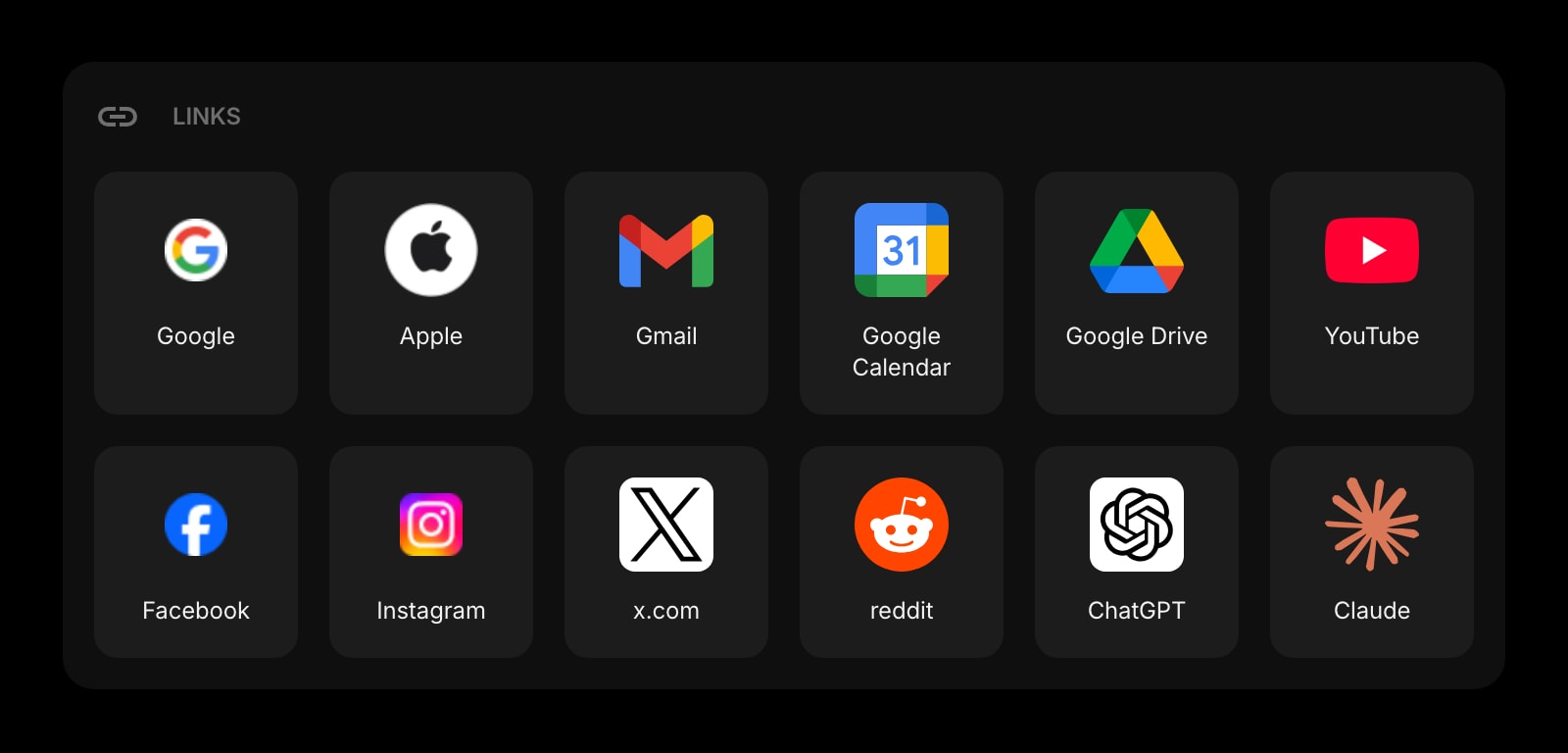
Links
Organize your bookmarks into clean, customizable groups with custom titles and icons — the bookmark pattern both start.me and Protopage are built around, modernized.
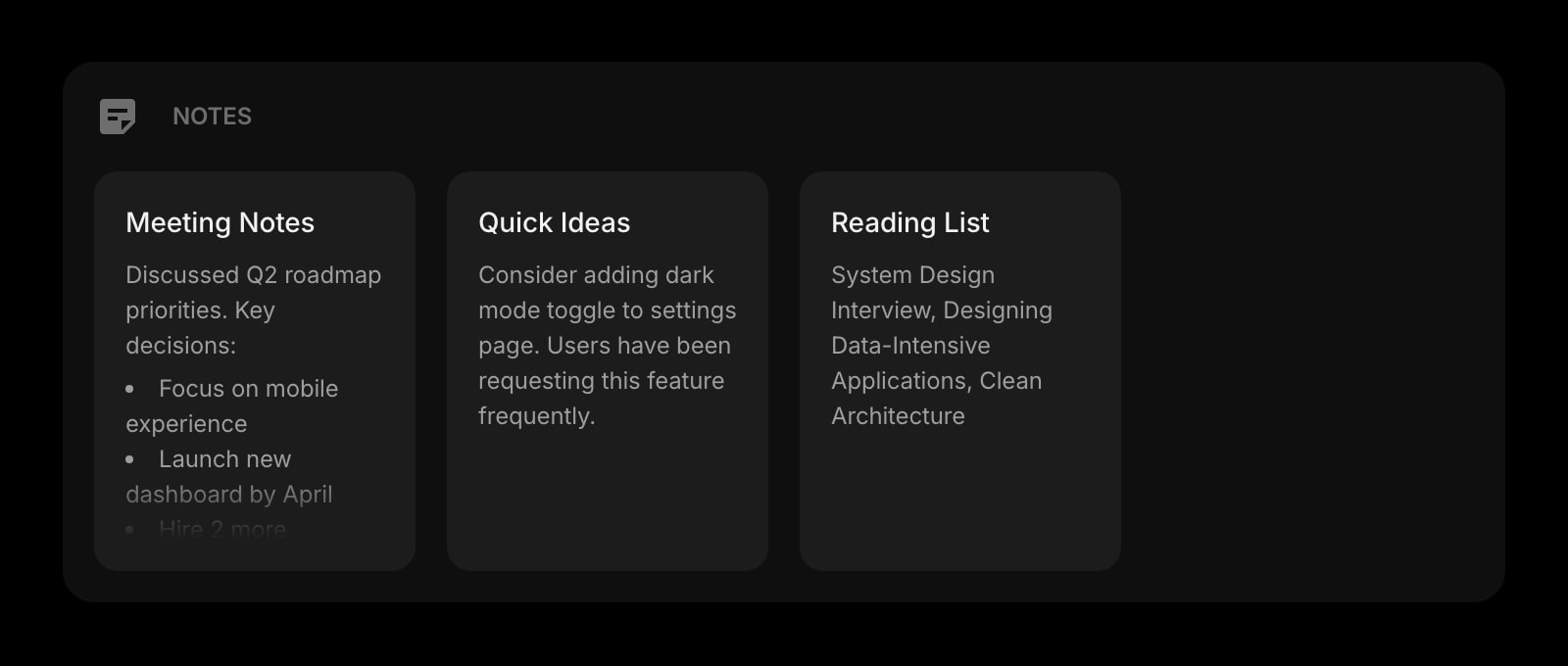
Notes
A board of rich-text notes with full editing — the spiritual successor to Protopage’s sticky notes and start.me’s notes widget, in a modern interface.
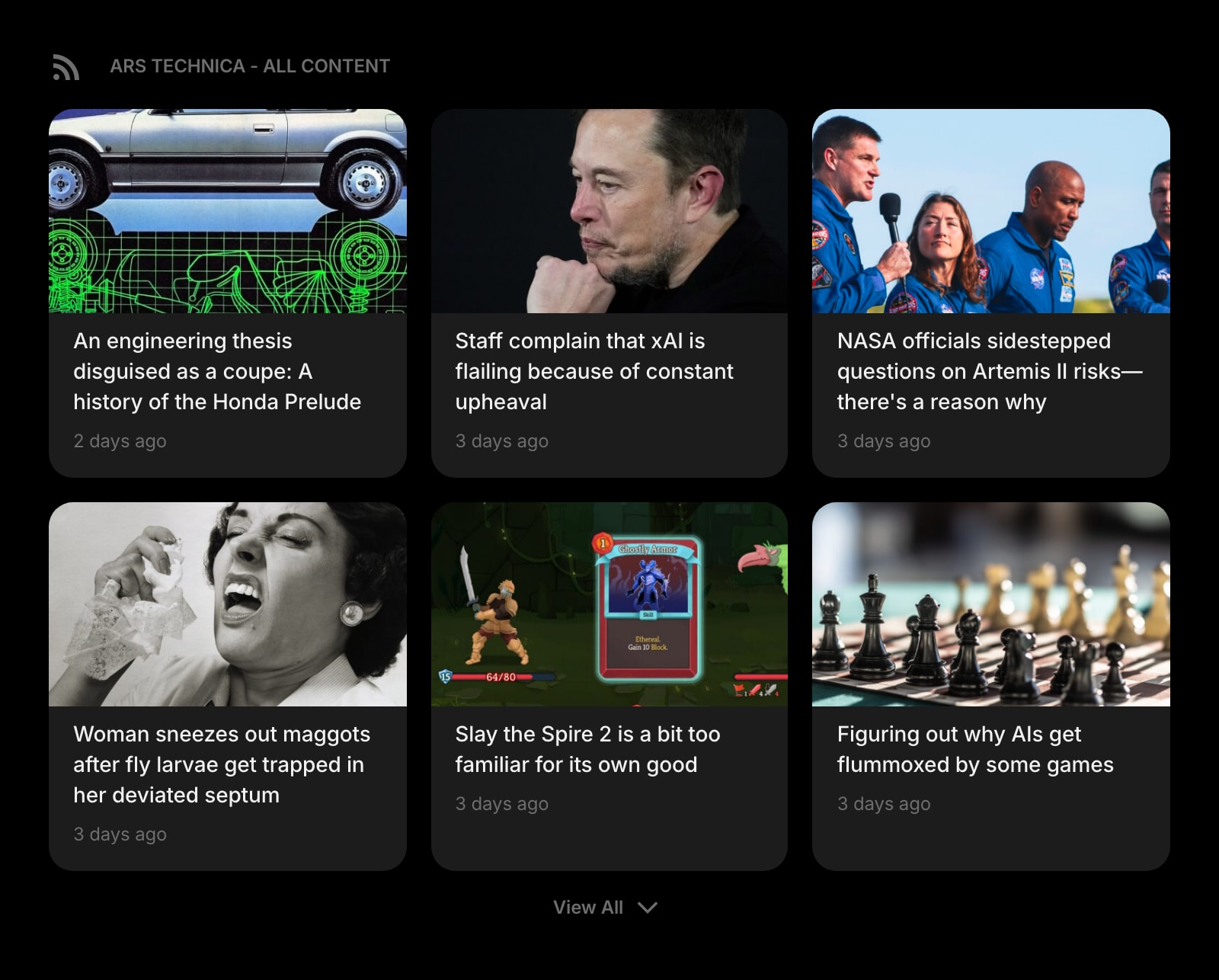
RSS Feed
Follow RSS feeds, blogs, and publications right from your dashboard — the same RSS pattern Protopage popularized and start.me kept.
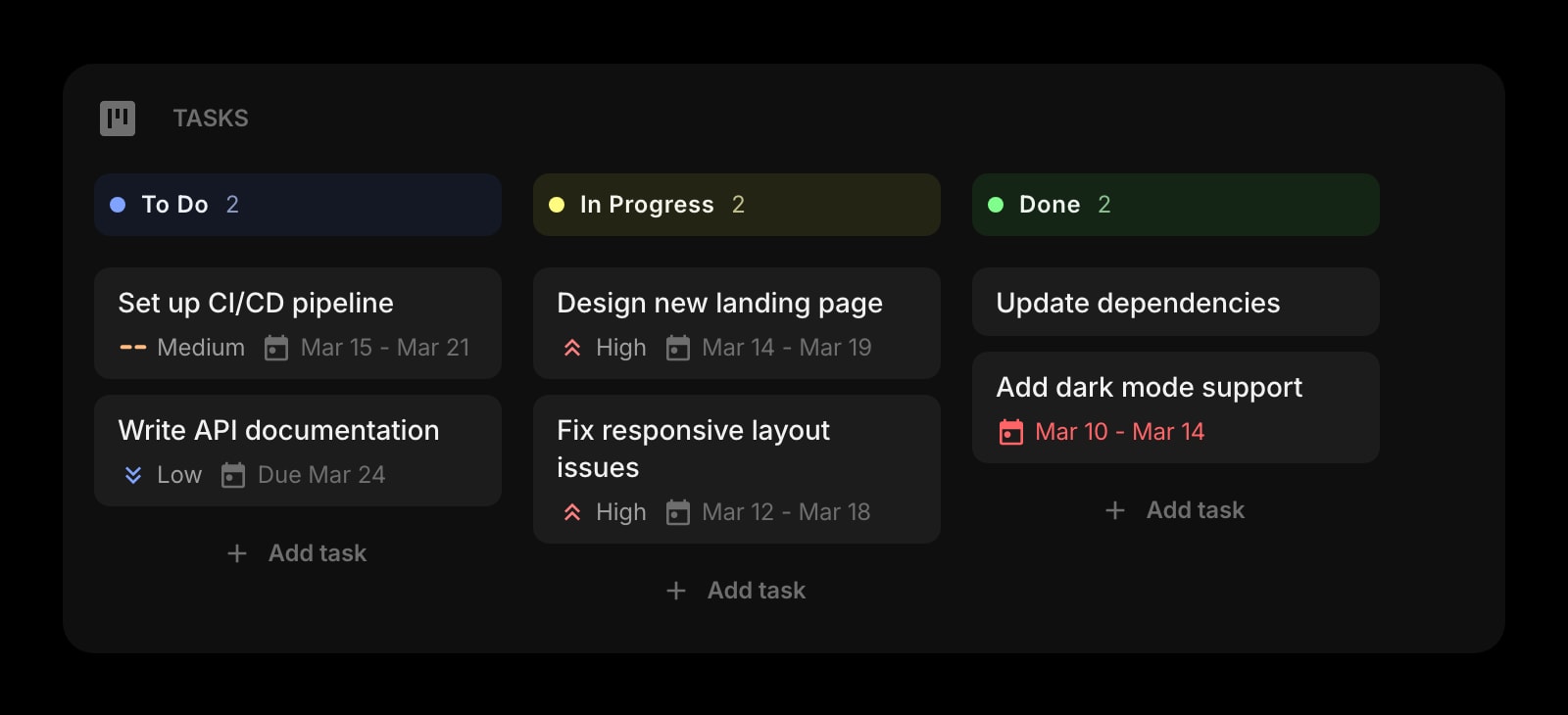
Kanban Tasks
A Kanban board for projects and to-dos sitting next to your bookmarks and feeds — neither start.me nor Protopage ships a Kanban widget.
Google Calendar
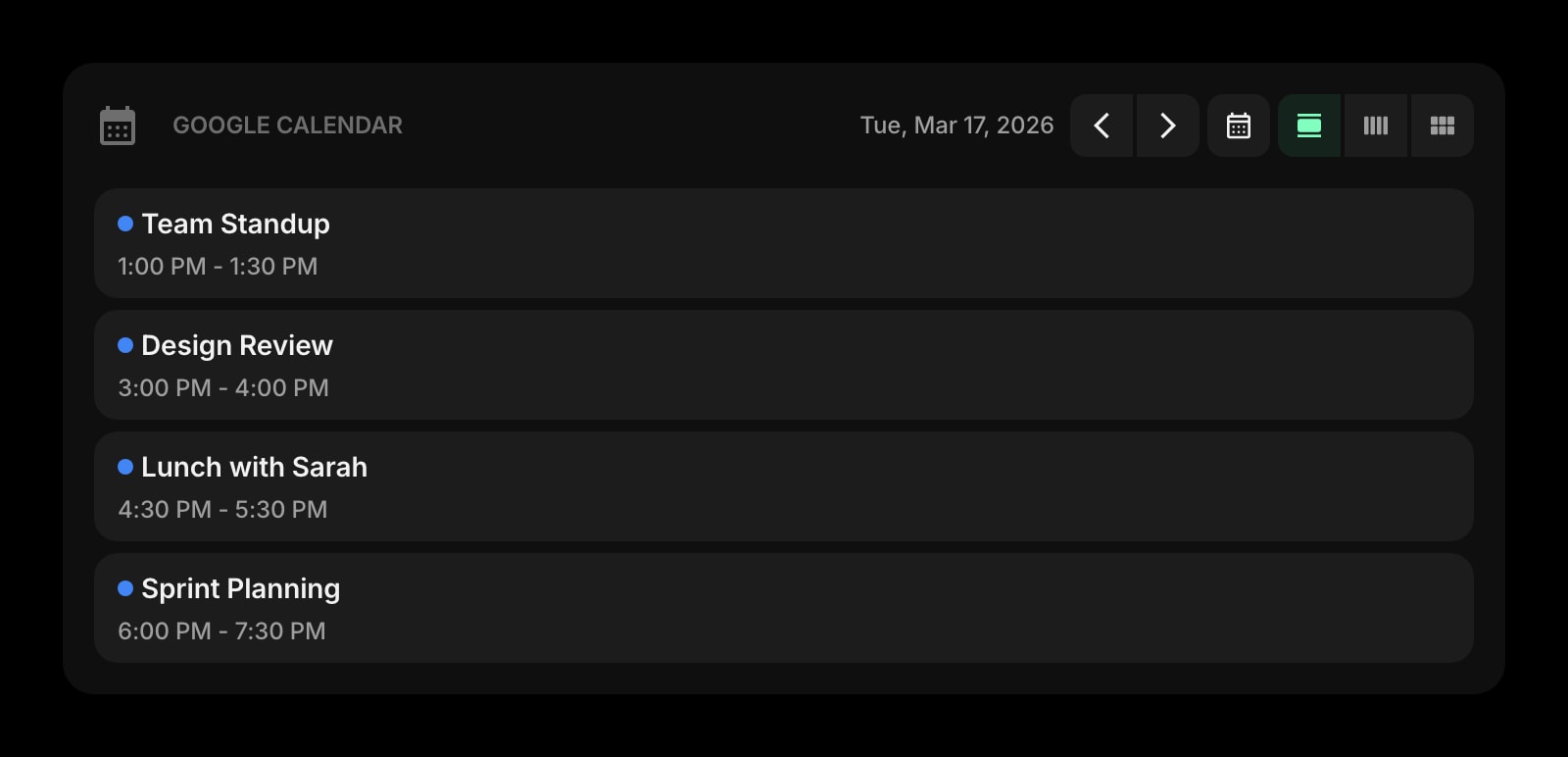
Today’s meetings on the same page as your links and notes — start.me has a basic calendar widget; Protopage has none.
Habit Tracker
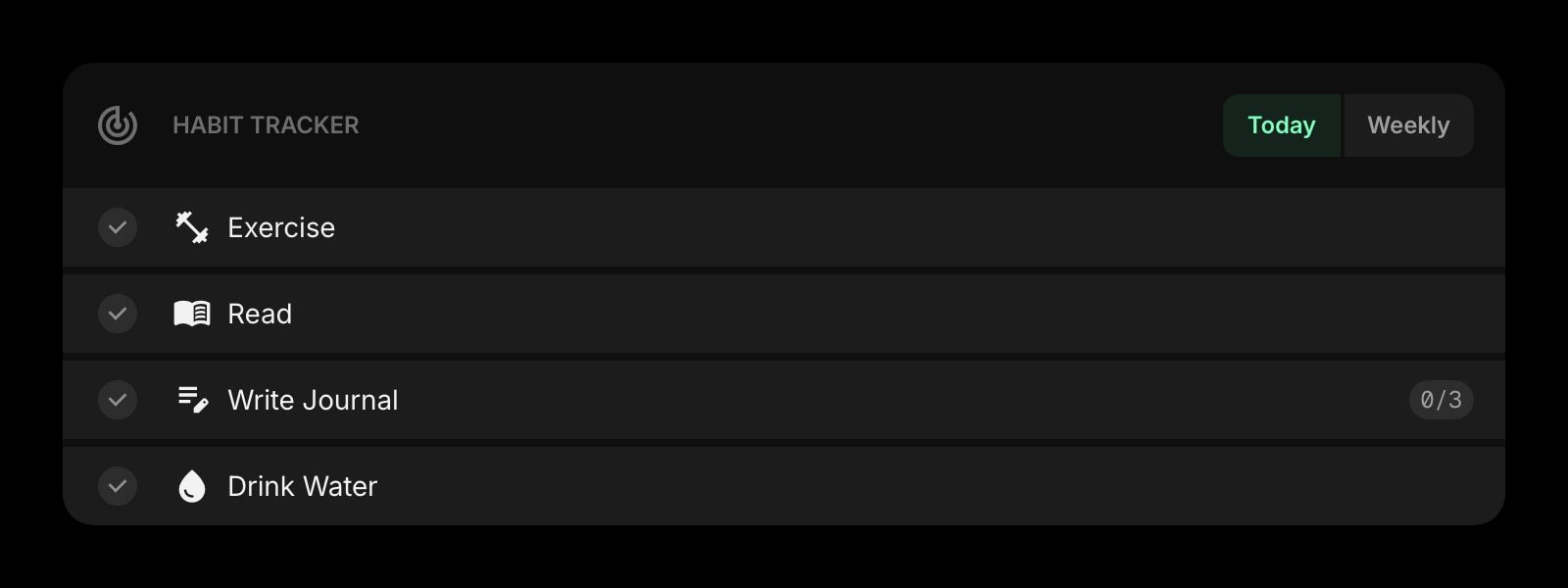
A daily habit grid that lives next to your bookmarks and tasks — a productivity widget neither start.me nor Protopage offers.
Frequently Asked Questions
For a personal start page in 2026, start.me is the more practical pick: a modern UI, browser extensions on Chrome/Firefox/Edge, mobile apps, and active development. Protopage is the better pick if you specifically want the classic Web 2.0 sticky-note feel, value free-forever with no paid tier, or have used it for years and do not want to migrate.
Protopage is free forever with no paid tier — every feature is included at no cost, supported by occasional sponsor placements. start.me has a free tier that covers most personal use, with PRO at about $25/year unlocking unlimited pages and premium widgets, and Teams at about $30/month for shared workspaces with SSO and branded dashboards.
Both run in Safari as hosted web apps — you can open start.me or Protopage in Safari like any other site and bookmark them. Neither has a Safari extension that replaces the new-tab page, so if your goal is to override the Safari new tab specifically, neither of these does it.
For pure RSS reading, Protopage's reader is more thoughtful — three-pane layouts, OPML import/export, and inline article reading have been refined for years and won design awards along the way. start.me's RSS is more integrated into a wider dashboard but reads as a feed list rather than a full reader. RSS-first users tend to prefer Protopage; dashboard-first users tend to prefer start.me.
start.me yes, Protopage no. start.me has a Teams plan with SAML SSO, branded dashboards, shared workspaces, and admin controls, and is commonly deployed as a small-business or department intranet. Protopage is purely a personal product — no shared workspaces, no admin tooling, no SSO.
Not officially, but Protopage is in maintenance mode: recent posts on its blog are about compatibility fixes and security upkeep rather than new features, and the design has not been refreshed in over a decade. The cloud accounts and daily offsite backups still run, and long-time users have stuck with it for fifteen-plus years, but anyone picking a tool today should weigh that activity level honestly.
The Verdict
Both are personal start pages with multi-page dashboards, bookmarks, notes, and RSS — they just come from different generations. Pick start.me if you want a modern, actively developed start page with a polished UI, browser extensions, mobile apps, and a credible path to team and intranet use. Pick Protopage if you want the classic Web 2.0 sticky-note dashboard, free forever, with no upsells and no team layer in your way. If neither feels quite right — for example, you want the same multi-page dashboard idea but with Kanban tasks, AI tools, dev tools, and a native Safari extension sitting next to your bookmarks and RSS — Start Page HQ is worth a look.